
 Copy the shared link
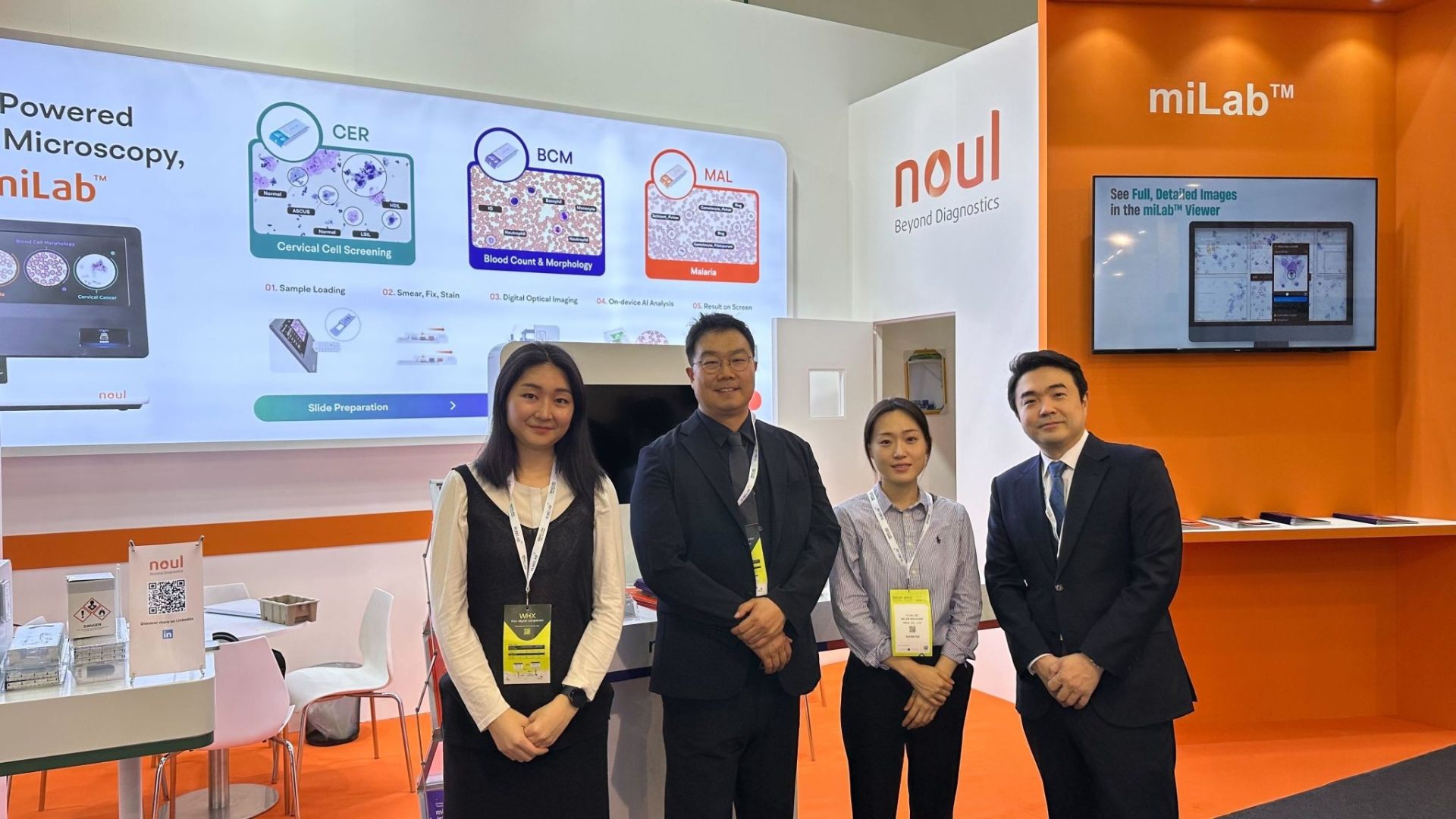
Source: noul
The global laboratory diagnostics landscape is undergoing rapid transformation. While testing demand continues to rise across healthcare systems, skilled personnel and laboratory infrastructure are not expanding at the same pace. Slide preparation, manual microscopy review, and labor-intensive workflows still require significant time and expertise. Variability in interpretation between institutions remains a persistent challenge. Increasing test volume alone is no longer sufficient. Ensuring standardized results and reproducible diagnostic structures has become a central priority for modern laboratories.
At the same time, the location of diagnostic testing is shifting. The traditional central laboratory model is being complemented—and in some cases replaced—by expanding demand for Point-of-Care (POC) diagnostics. Testing is increasingly performed in hospital departments, emergency settings, community clinics, and decentralized healthcare environments. In these contexts, diagnostic systems must be simpler, require minimal preparation, and reduce dependence on highly specialized expertise. These evolving requirements are accelerating the adoption of automation and AI-powered analysis technologies in laboratory medicine.
AI-based automated diagnostics is no longer a niche concept. Leading global diagnostics companies are investing heavily in digital pathology, automated hematology systems, and AI-assisted image analysis platforms. For example, Roche has commercialized AI-enabled digital pathology workflows, while Sysmex continues to advance automated hematology analyzers with digital cell imaging and morphology analysis capabilities. Across the industry, artificial intelligence is being positioned not merely as an add-on feature but as a strategic tool for standardization, data-driven quality control, and scalable laboratory operations. Automation is increasingly recognized as foundational infrastructure for operational stability and reproducibility.
WHX Labs Dubai 2026: A Platform for Laboratory Innovation

Source: WHX Labs
WHX Labs Dubai 2026 provided a clear snapshot of these global shifts. The event brought together laboratory professionals, healthcare leaders, distributors, and diagnostics innovators from across the Middle East and beyond. Throughout the exhibition, key themes consistently emerged: laboratory automation, digital diagnostics, AI-powered analysis, and workflow simplification.
One of the most noticeable trends at WHX Labs Dubai was the strong interest in Point-of-Care laboratory solutions. Visitors were not only seeking large-scale central laboratory analyzers but also compact, automated systems capable of functioning across diverse healthcare environments. Solutions that reduce preparation steps and shorten turnaround times attracted particular attention.
Educational sessions accredited under Continuing Medical Education (CME) further reinforced these themes. Presentations addressed how AI-driven automation is being integrated into real clinical workflows, moving beyond theoretical discussions toward practical implementation. The focus was not simply on technological advancement but on measurable operational efficiency and consistent diagnostic quality.
WHX Labs Dubai demonstrated that the future of laboratory diagnostics is increasingly defined by simplicity, automation, and standardization—especially in regions investing heavily in healthcare modernization.
AI-Based Automation and the miLab™ Platform
Source: noul
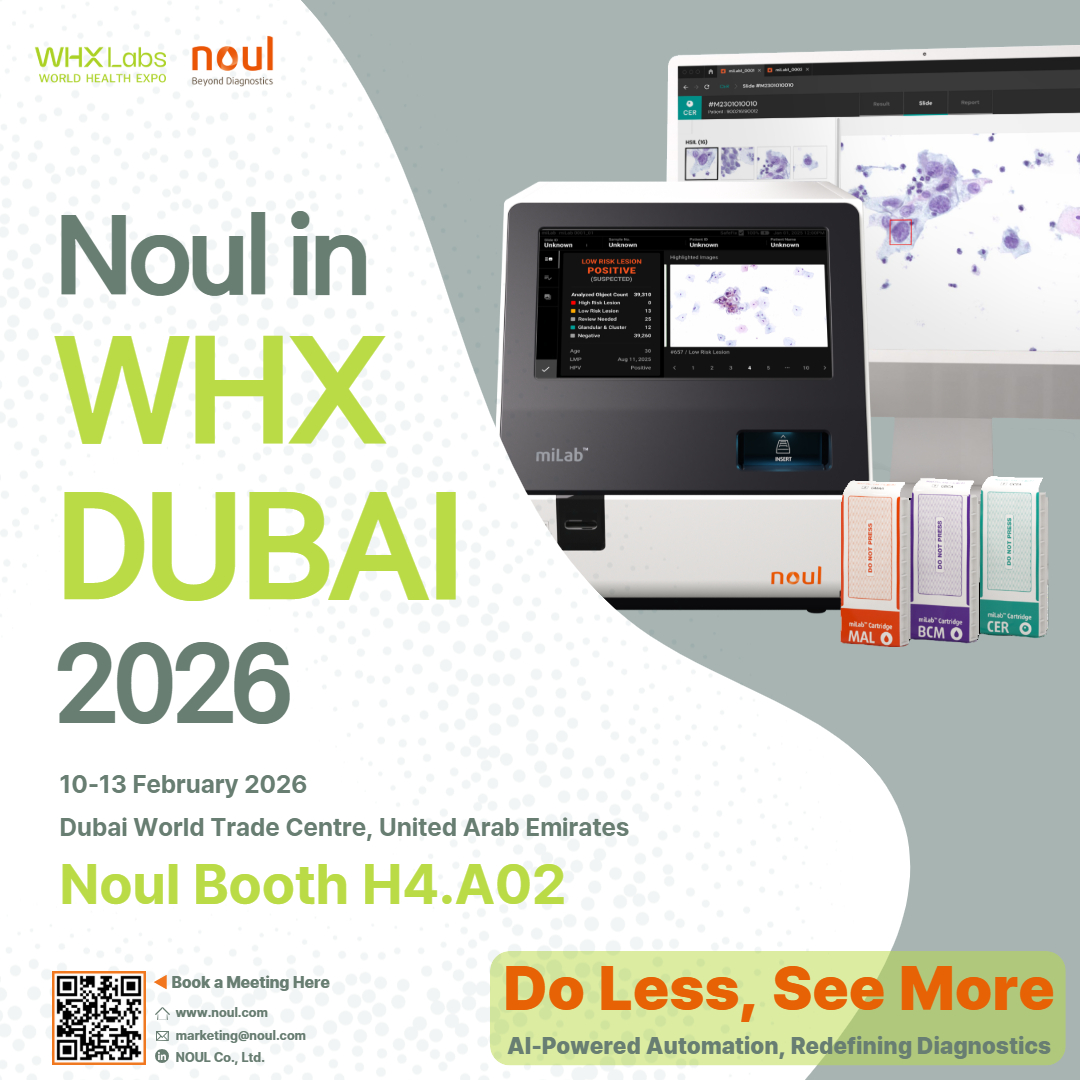
The miLab™ platform represents an integrated AI-based diagnostic system designed to streamline the entire laboratory workflow—from slide preparation and imaging to analysis and automated report generation. The platform is engineered for use not only in central laboratories but also in hospital-based and decentralized healthcare settings.
miLab™ CER supports cervical cancer diagnostics through standardized digital imaging and AI-powered interpretation, enabling consistent results even in environments where access to highly specialized cytopathology expertise may be limited.
miLab™ BCM integrates complete blood count (CBC) and differential morphology analysis within a unified automated workflow. The system is designed to maintain consistent quality and efficiency in high-volume laboratory environments.
miLab™ MAL focuses on malaria diagnostics, providing AI-powered detection and automatic classification of malaria parasite species. Differentiating parasite types can require significant expertise in manual microscopy. By automating this classification process, miLab™ MAL reduces operator burden and minimizes variability between examiners.
Another core feature of the platform is automated report generation. Diagnostic results and associated image data are structured into standardized reports without manual transcription. This reduces documentation errors and improves turnaround time—an important factor in both central laboratory and Point-of-Care settings.
Together, these capabilities position miLab™ as a scalable, standardized solution aligned with the evolving demands of laboratory diagnostics.
On-Site Reactions at the Noul Booth
Source: noul
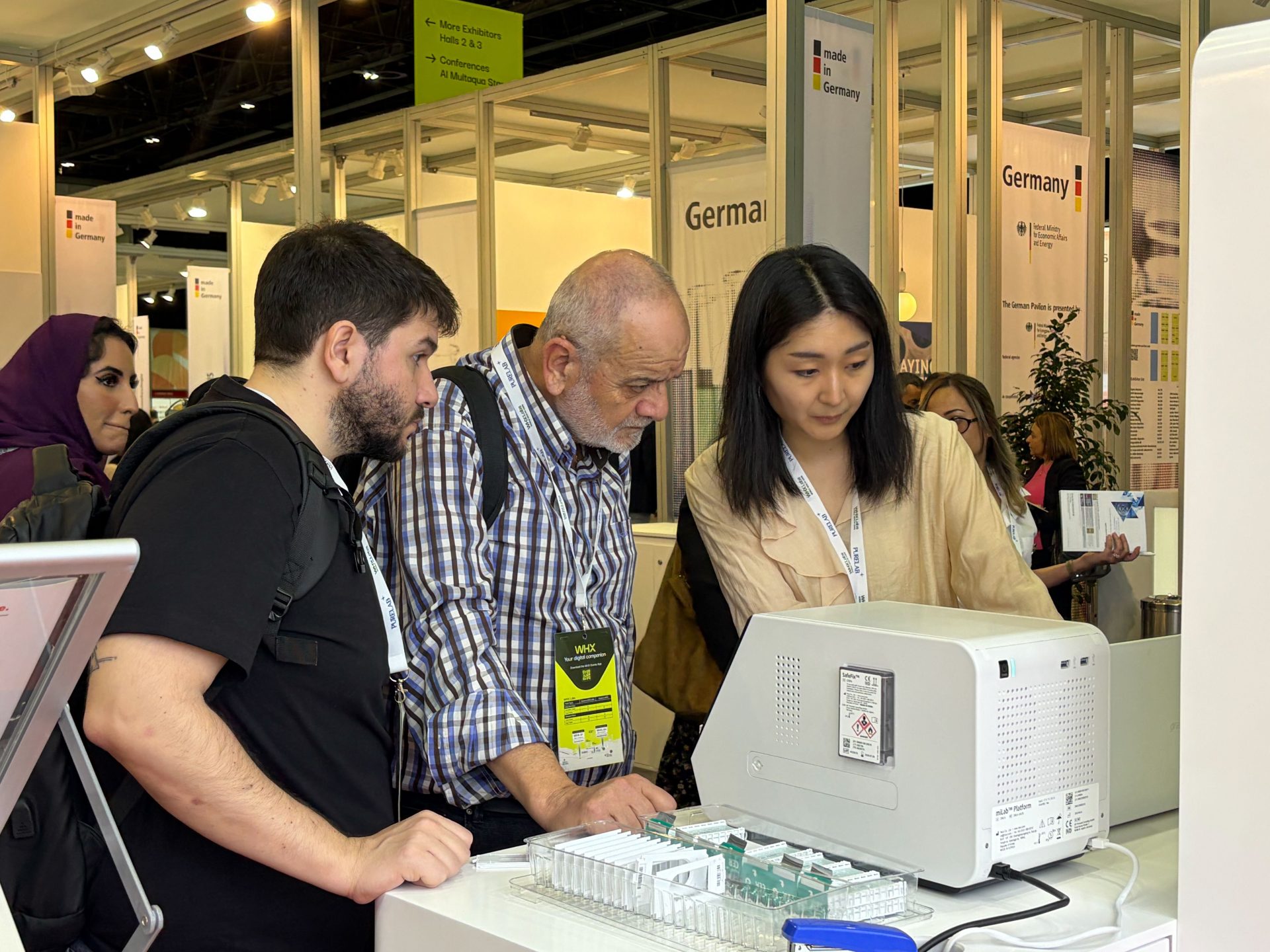
At the Noul booth during WHX Labs Dubai 2026, visitors showed strong interest in seeing the miLab™ system in operation.
One of the most positively received aspects was the elimination of separate slide preparation steps. Traditional laboratory workflows often involve time-consuming manual slide processing. The simplified preparation process of miLab™ drew attention from laboratory professionals seeking operational efficiency.
Distributors actively searching for Point-of-Care diagnostic systems also visited the booth. Many expressed interest in expanding their portfolios with AI-powered laboratory devices that can be deployed across multiple healthcare environments. The ability to offer compact, automated systems suitable for both laboratory and hospital use was seen as a strategic advantage.
Questions frequently centered on user environments: “Is this system intended for central labs, or can it be used in hospital settings?” The platform’s flexible design for both laboratory and hospital workflows addressed this concern directly.
The automatic classification of malaria parasite types generated particularly strong interest. While detecting abnormal cells can be relatively straightforward, accurately distinguishing parasite species requires training and experience. The AI-based differentiation capability was recognized as a practical tool for reducing complexity in malaria diagnostics.
Automated report generation was another feature that resonated with both distributors and laboratory professionals. Structured reporting that integrates images and analytical data in real time was viewed as a meaningful contributor to workflow efficiency.
Expanding Automation and Point-of-Care Diagnostics in the Middle East
Source: noul
The expansion of Point-of-Care diagnostics represents one of the defining movements in global laboratory medicine. Demand is growing not only within hospital laboratories but also in community clinics and public health environments that require rapid, reliable results.
Across the Middle East, healthcare investment continues to accelerate. Countries such as Saudi Arabia, the United Arab Emirates (UAE), and Qatar are prioritizing healthcare modernization and improved diagnostic access as part of broader national strategies. Automated and AI-based diagnostic systems are increasingly evaluated as tools for achieving standardized, scalable testing capabilities.
Noul has accumulated experience deploying AI-based diagnostic solutions across multiple regions, including the Middle East. Field applications in malaria and hematology diagnostics have contributed to the development of standardized and adaptable workflows suitable for diverse healthcare environments.
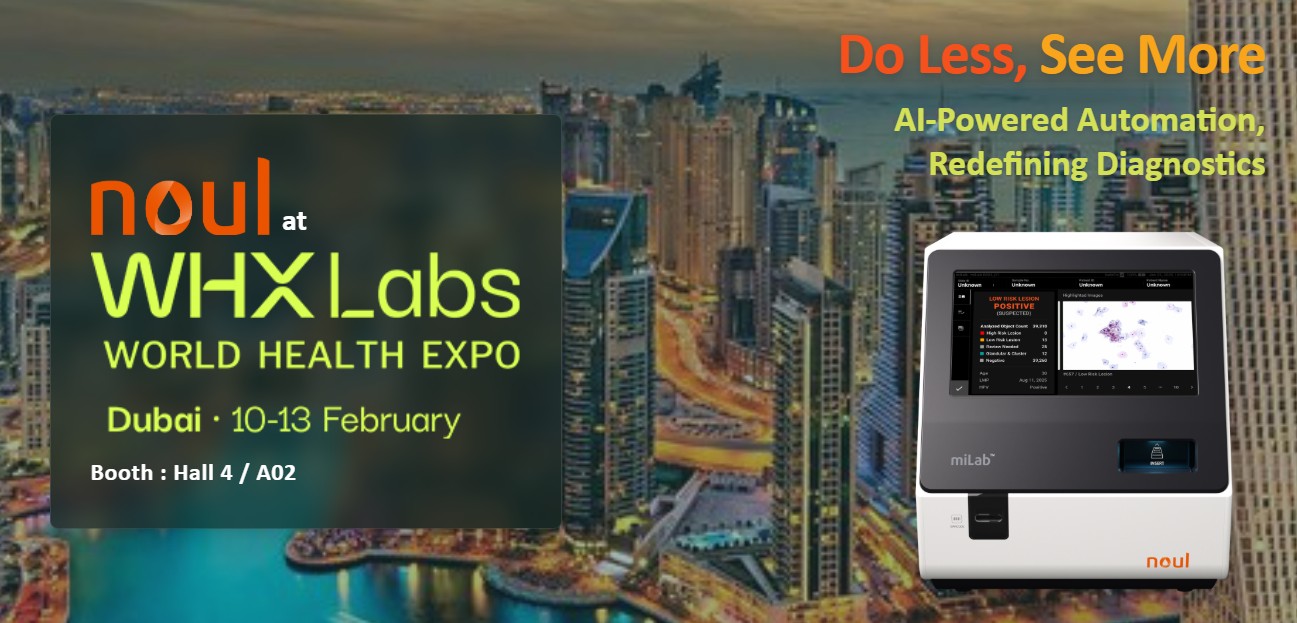
WHX Labs Dubai 2026 reaffirmed the growing alignment between AI-driven automation, Point-of-Care diagnostics, and regional healthcare expansion in the Middle East. The miLab™ platform—combining automation, AI analysis, and flexible deployment—continues to expand its role in supporting laboratory diagnostics across the region.
For more information about miLab™ solutions and Noul’s regional activities in the Middle East, or to explore potential collaboration opportunities, please contact the Noul team.